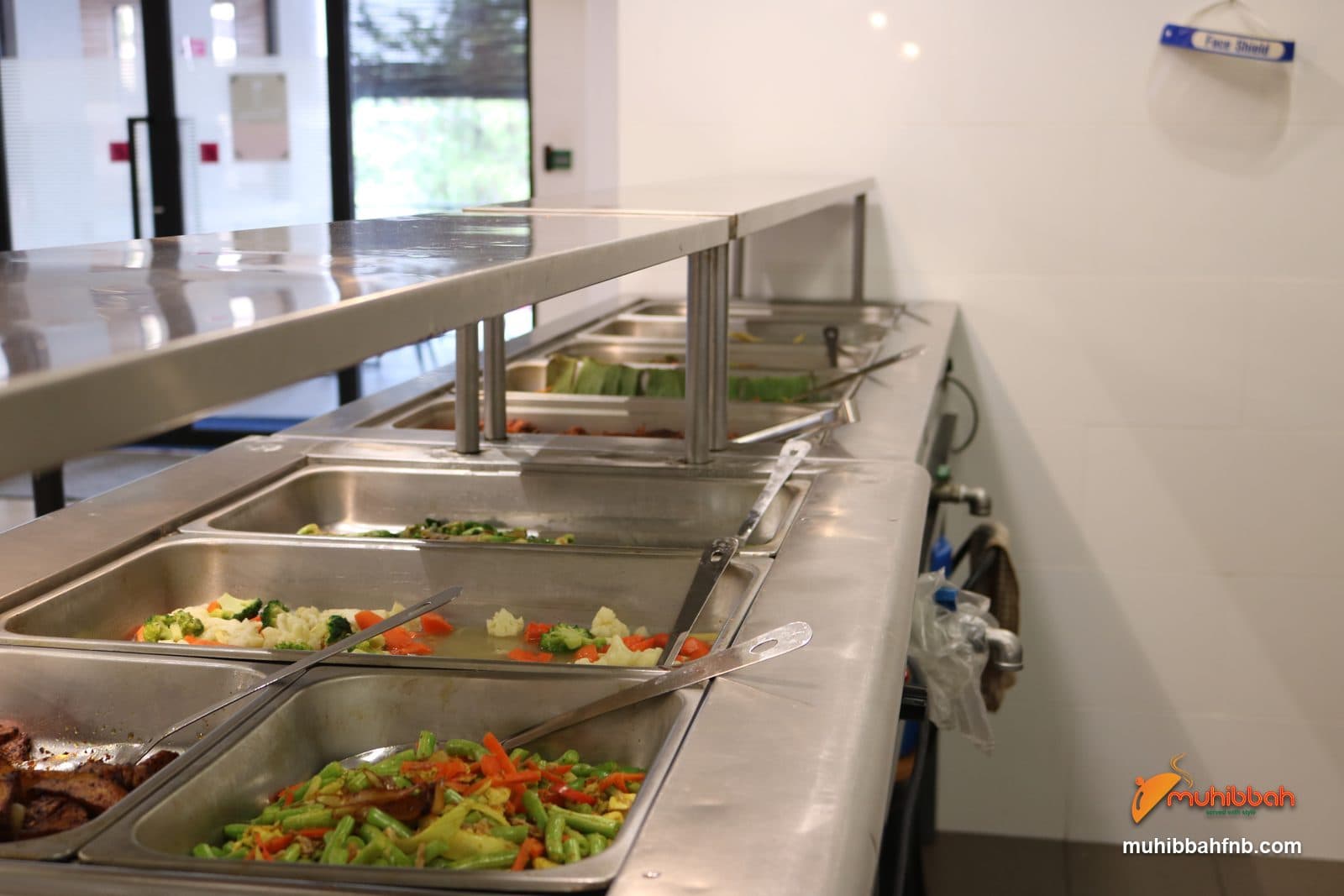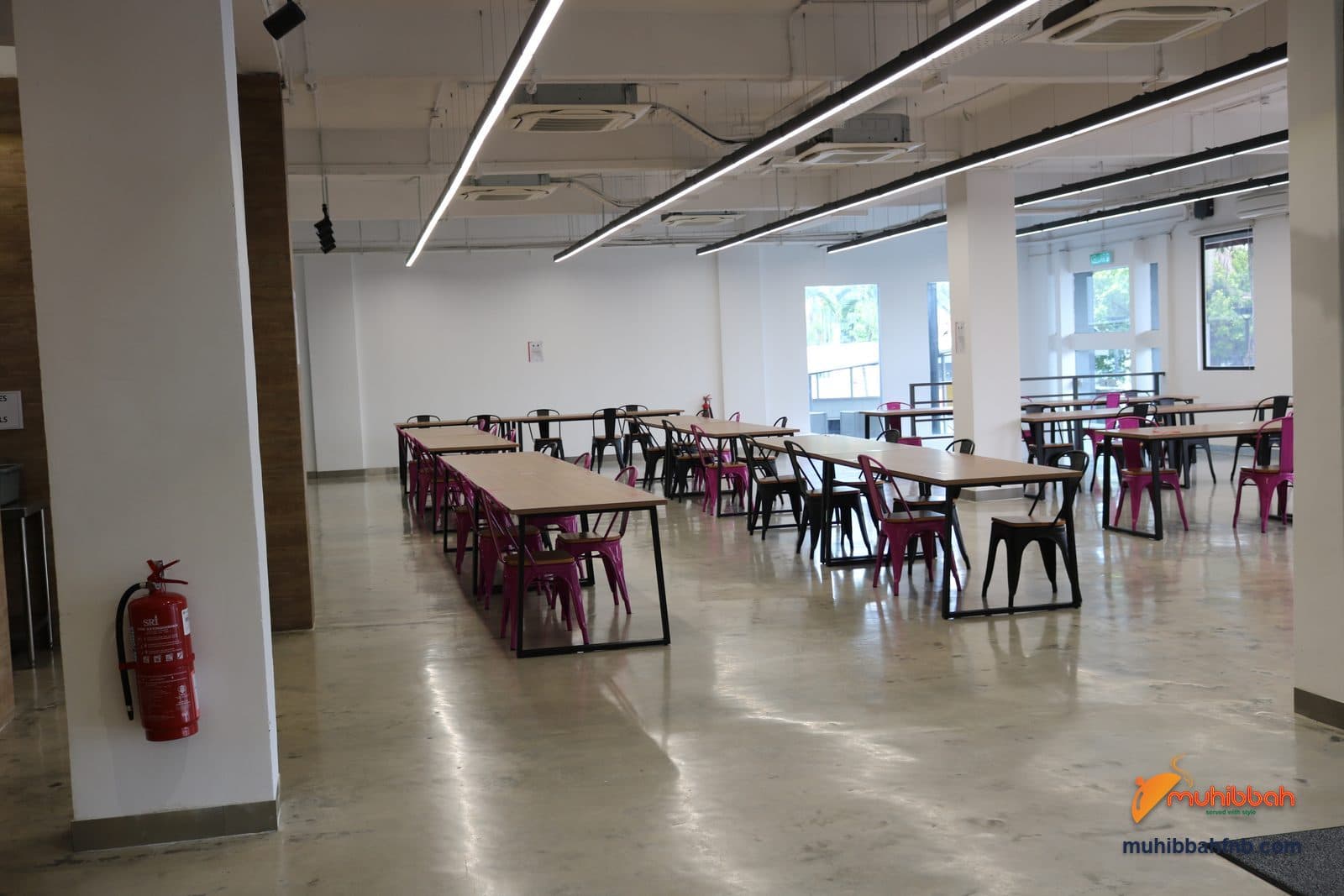
Cafeteria outsourcing has moved from niche practice to mainstream operational strategy for Malaysian businesses. Corporate offices, manufacturing facilities, hotels, resorts, and theme parks increasingly recognise that running a staff cafeteria in-house is neither cost-effective nor a good use of management attention.
This guide is a complete resource for decision-makers evaluating cafeteria outsourcing in Malaysia. It covers the business case, typical costs, contract structures, compliance requirements, and how to select the right operator.
What Is Cafeteria Outsourcing?
Cafeteria outsourcing is the contractual arrangement in which an external food service company (the operator) takes responsibility for running your staff dining operation, what the industry calls corporate cafeteria management. The operator handles every aspect of the cafeteria (staffing, procurement, cooking, serving, cleaning, compliance, and reporting) in exchange for a contracted fee.
Outsourcing differs from catering. A caterer typically delivers food for specific events. That is corporate event catering. A cafeteria operator runs a permanent, daily dining operation inside your facility under a long-term contract.
What the Operator Runs Day to Day
A professional operator does not simply show up with food. Under a full outsourcing arrangement, the operator takes over:
- The kitchen brigade: Chef de Partie, Demi Chefs, Commis Cooks, Kitchen Helpers and Stewards, all recruited, trained, supervised and paid by the operator, with replacements deployed when someone leaves
- Menu design: typically a 30-day non-repeating rotation across Malay, Chinese, Indian and Western dishes, covering every meal period you contract for
- Procurement: daily sourcing from halal-certified suppliers, with portion standards and waste tracking to control cost per meal
- Daily service: cooking, serving, cleaning, dishwashing and kitchen waste handling
- Reporting: monthly operational reports, employee feedback cycles and management review meetings
In effect, you get a turnkey dining operation running inside your facility, with one accountable point of contact.
Why Malaysian Businesses Outsource
The drivers for outsourcing in Malaysia are practical and consistent across industries:
Cost predictability. Fixed monthly fees replace variable in-house costs.
Compliance management. Halal certification, HACCP, MeSTI, KKM, food handler certifications are managed by the operator.
HR burden elimination. Kitchen staff turnover (historically 40+ percent annually) becomes the operator's problem, not yours.
Operational expertise. Professional operators have kitchen workflow discipline, menu design, and procurement networks that in-house teams struggle to match.
Multi-site consistency. For companies operating across Klang Valley, Johor, Penang, and beyond, an outsourced operator delivers consistent quality across locations.
Management focus. Senior leadership stops spending time on cafeteria issues and returns attention to core business.
The True Cost of Running It In-House
Most employers underestimate what their in-house cafeteria actually costs, because the visible items (ingredient invoices and cook salaries) are only part of the picture. A fully loaded figure also includes:
- EPF, SOCSO, EIS, bonuses, uniforms and medical cover for kitchen staff
- Recruitment and training every time a cook resigns, plus the quality dip while a replacement settles in
- Food wastage from over-preparation and spoilage that nobody is accountable for tracking
- Equipment maintenance and replacement
- Utilities allocated to the kitchen
- Management time spent on complaints, supplier disputes and menu changes
Compliance also drifts quietly in-house. Halal certificates lapse without renewal, food handler medical checks get delayed, and pest control schedules slip. The company remains responsible even when the follow-up was an employee's job.
Staff dissatisfaction is the slowest cost to surface. Employees rarely complain formally about food; they grumble to colleagues, eat less, and occasionally cite it in exit interviews. Without menu discipline and festive programming, an in-house menu tends to become predictable within a year or two.
Before comparing operator proposals, build this fully loaded number for your current setup. It is the only fair baseline.
Typical Cost Structures
Outsourcing contracts in Malaysia generally follow one of three pricing models:
Fixed Monthly Lump Sum
The operator charges a predetermined monthly fee based on an estimated staff headcount. Everything is included: food, staff, equipment maintenance, utilities (sometimes), compliance, and reporting.
Best for: Stable headcount operations, budget predictability, simple financial management.
Per-Meal Rate
The operator charges a fixed rate per meal served, tracked via meal counting systems. You pay only for meals actually consumed.
Best for: Variable attendance, flexible operations, environments where meal counts fluctuate significantly.
Hybrid Model
A base fixed fee plus variable per-meal adjustment for volume above or below baseline headcount.
Best for: Operations with a stable core plus seasonal or project-based attendance spikes.
Most Malaysian corporate clients prefer the fixed lump sum model for budgeting simplicity and operational predictability.
Whichever model fits, the actual figure depends on your requirements and operational needs: headcount, meal periods, menu, and kitchen condition. A sound proposal includes a healthy operator margin, because that is what keeps quality and staffing consistent for the life of the contract. The aim should be a sustainable, win-win arrangement for both client and operator.
What a Typical Contract Includes
A well-structured cafeteria outsourcing contract covers:
Scope of service
- Meals to be served (breakfast, lunch, dinner, supper)
- Operating days and hours
- Service format (buffet, ala-carte, live station)
- Menu rotation requirements
- Staff capacity (headcount baseline)
Operator responsibilities
- Kitchen staff recruitment, training, and management
- Raw material procurement
- Cooking and serving operations
- Kitchen cleaning and hygiene
- Equipment maintenance
- Compliance documentation (halal, HACCP, KKM)
- Monthly reporting
Client responsibilities
- Kitchen and dining space
- Utilities (water, electricity, gas)
- Waste disposal infrastructure
- Dining area cleaning (sometimes)
Commercial terms
- Contract tenure (typically 3-5 years)
- Fee structure and payment terms
- Annual review or escalation clauses
- Headcount adjustment mechanisms
- Performance KPIs
Termination
- Notice period (commonly 60-90 days)
- Transition obligations
- Equipment ownership upon termination
Compliance Requirements
Cafeteria operations in Malaysia must satisfy several regulatory frameworks. A professional operator handles all of these:
Halal certification. For Malaysian operations with Muslim employees (typically a majority of the workforce), halal compliance is essential. Look for operators with JAKIM or recognised state authority certification, halal-certified supplier networks, and documented handling protocols.
KKM (Ministry of Health) food handler certification. All kitchen staff must hold valid food handler certificates with current typhoid and Hepatitis B screening.
MeSTI (Makanan Selamat Tanggungjawab Industri). Voluntary but valuable certification demonstrating food safety system implementation.
HACCP. Hazard Analysis Critical Control Points principles, increasingly required for larger operations.
RBA Code of Conduct. For electronics manufacturing clients undergoing Responsible Business Alliance audits, food service operations must meet documented standards.
CSER. Corporate Social and Environmental Responsibility requirements for certain MNC clients.
Risk Transfer: Insurance and Safety Documentation
Food service carries genuine risks: food poisoning, halal non-compliance, contractor injury and equipment failure. Part of what you buy from a professional operator is the transfer of that risk. Expect the operator to carry and show:
- Public liability insurance covering their operation on your premises
- Documented HIRARC (Hazard Identification, Risk Assessment and Risk Control) for the kitchen
- Certified food handlers with current typhoid and Hepatitis B screening
- Fire extinguishers and first aid kits as standard kitchen equipment
Ask for the insurance certificate and HIRARC document during evaluation, not after signing.
Who Benefits Most
Outsourcing delivers the clearest returns for organisations with:
- 100 or more staff eating on-site daily
- Multiple shifts or complex meal timings, such as a factory canteen service running breakfast, lunch, dinner and supper
- Audit requirements (RBA, CSER, ISO, customer audits) where cafeteria documentation falls inside the audit scope
- Multi-site operations where consistent standards across locations matter
- Hospitality operations (hotels, resorts, theme parks) where separating hotel staff dining from guest food preparation protects the guest experience
- Regulated industries such as semiconductor, pharmaceutical, medical device and healthcare, where hygiene discipline is non-negotiable
- High kitchen staff turnover that HR can no longer keep up with
- A growth phase where leadership bandwidth is the scarcest resource and cafeteria distractions carry the highest opportunity cost
Choosing a Cafeteria Operator in Malaysia
Selecting an operator is a multi-year commitment. The evaluation should be thorough.
1. Assess Compliance Portfolio
Ask for:
- Current halal certificate with issuing authority
- Sample supplier halal certificates
- HACCP training records
- Food handler certifications
- Public liability insurance certificate
- RBA or CSER readiness documentation if relevant
2. Visit an Active Client Site
A site visit reveals what sales presentations cannot. Observe:
- Kitchen cleanliness and organisation
- Staff professionalism
- Food quality at the buffet line
- Dining area atmosphere
- Communication between operator staff and client employees
3. Evaluate Operational Scale
Can the operator handle your volume? A company operating small office cafeterias may struggle with a 500-pax factory canteen service. Conversely, a large operator may not customise adequately for boutique operations.
4. Understand the Menu Design Philosophy
Review their standard menu rotation. Ask how they handle:
- Cultural holidays (Hari Raya, CNY, Deepavali, Christmas)
- Dietary accommodations (vegetarian, dietary restrictions)
- Menu refresh cycles
- Employee feedback integration
5. Check Financial Stability
Food service is a low-margin business. A financially stressed operator may cut corners or fail mid-contract. Review company registration, years in operation, and client retention.
6. Interview the Operations Team
Meet the operations manager who will handle your account, not just the sales team. This is your day-to-day contact for the next 3-5 years.
7. Reference Check
Speak with existing clients of the operator, ideally at least two. Ask about responsiveness, reliability, food quality consistency, and any issues that arose.
8. Ask the Questions That Expose the Operating Model
Put the same questions to every bidder so proposals can be compared fairly:
- How is the fee calculated, and what happens if headcount rises or falls significantly?
- Can you support our shift pattern, including late and overnight meal periods?
- How do you prevent menu repetition, and how often is the rotation refreshed?
- What reporting and employee feedback mechanisms run each month?
- How do you recruit, train and retain kitchen staff, and how quickly do you replace a leaver?
- Which equipment and kitchen setup do you provide, and which do we provide?
Red Flags to Avoid
During operator evaluation, watch for:
- Unusually low pricing. Either the operator is inexperienced about true costs or plans to cut corners. Food service has real cost floors.
- Vague compliance claims. "We are halal-compliant" is not the same as a current JAKIM certificate in hand.
- No visible track record. New operators may be fine, but established operators with documented client retention carry less risk.
- Resistance to site visits or reference checks. Any operator declining these is hiding something.
- Overly complex pricing. If you cannot understand the pricing model in 10 minutes, neither will your finance team at month-end.
Transition from In-House to Outsourced
A typical transition takes 4-8 weeks:
Weeks 1-2: Operator conducts site assessment, reviews kitchen infrastructure, interviews existing staff (if relevant), and finalises menu and manpower plan.
Weeks 3-4: Kitchen equipment procurement if required. Recruitment and SOP training of operator staff. Parallel operations with existing in-house team if desired.
Weeks 5-6: Full handover. Operator takes over all kitchen operations. Existing staff either transition to operator payroll or are redeployed.
Weeks 7-8: Stabilisation period with intensive feedback cycles and menu refinement.
Common Mistakes
Organisations evaluating or implementing cafeteria outsourcing frequently make these mistakes:
Focusing only on price. The lowest bid often becomes the most expensive contract once quality issues, compliance failures, and service disputes accumulate.
Skipping the site visit. Nothing substitutes for seeing an operator's actual work in action.
Unclear scope. Fuzzy contracts create conflict later. Be specific about meal times, menu requirements, dietary accommodations, and reporting obligations.
No KPIs. Without agreed performance metrics, underperformance becomes subjective.
Rushed transition. Compressing the transition to save time often creates service disruption that hurts employee morale.
Making the Decision
Cafeteria outsourcing is not universally right. For small offices under 50 staff, simpler alternatives (meal delivery, cash allowances) may fit better. But for most Malaysian organisations operating at scale (corporate offices, factories, hotels, resorts, theme parks), outsourcing delivers measurable benefits that in-house operations struggle to match.
If you are evaluating cafeteria outsourcing, Muhibbah F&B operates across Malaysia serving corporate, industrial, and hospitality clients. Request a proposal or contact us to discuss your specific requirements.