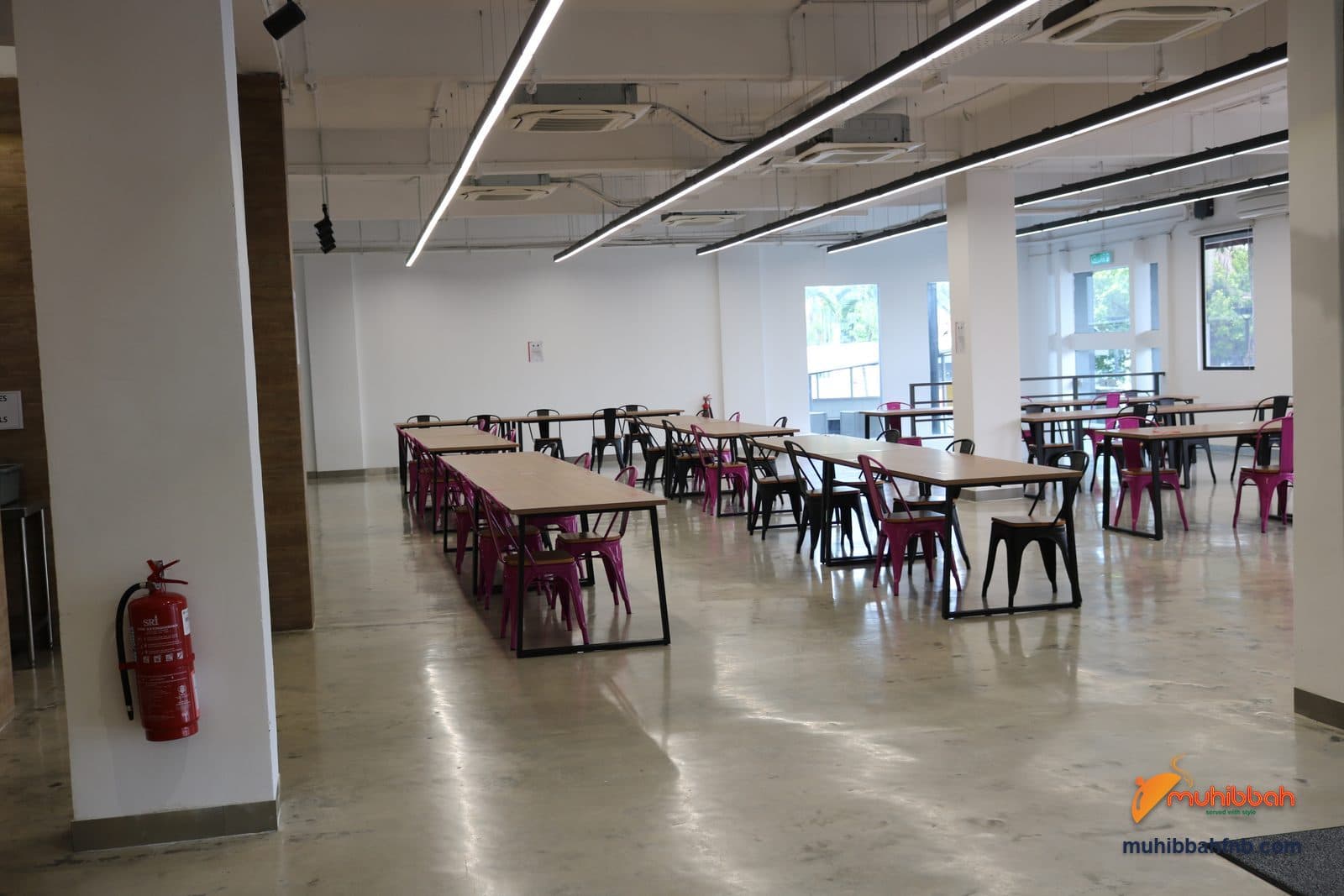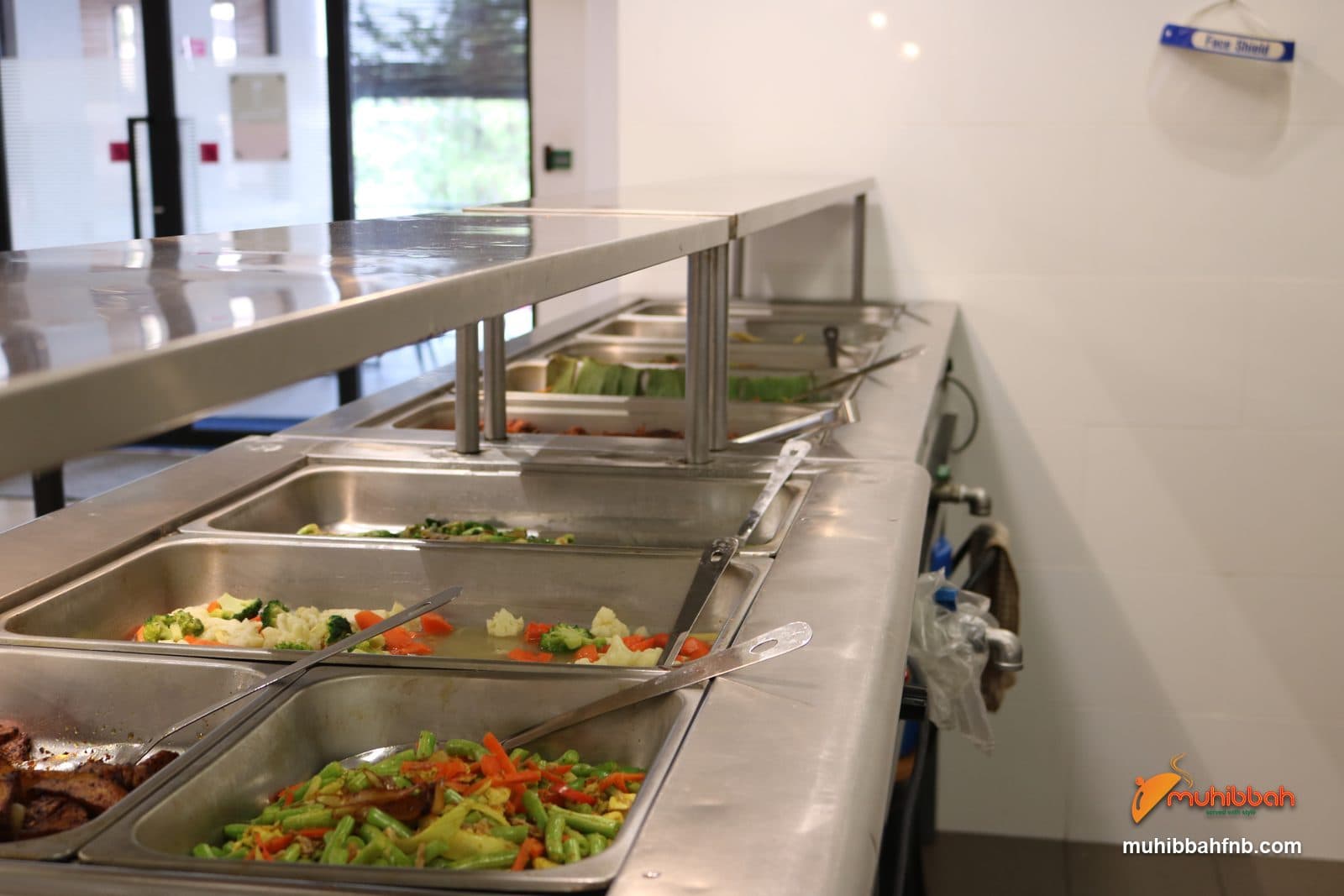
Running a factory canteen for a 2-shift or 3-shift manufacturing operation is not simply "office cafeteria but with longer hours". It is a fundamentally different operational model, with distinct challenges in meal timing, staffing rotation, menu planning, equipment utilisation, and compliance maintenance.
This guide walks operations directors, plant managers and HR leaders through the specific operational requirements of multi-shift factory canteens, the common failure patterns, and what to look for in a food service operator capable of this work.
Why Multi-Shift Canteens Are Different
Single-shift office cafeterias (the pattern of a standard company cafeteria service) have a predictable rhythm: one lunch service, maybe a tea break, done by mid-afternoon. Multi-shift factory canteens have a fundamentally different pattern:
- Multiple peak service windows across a 20-24 hour day
- Rolling shift changeovers that create overlapping meal demand
- Different workforce demographics eating at different hours
- Continuous food safety discipline with no quiet period for equipment reset
- Labour scheduling complexity with multiple canteen shift crews
Getting this right requires the operational expertise a specialist industrial canteen operator builds over years, and that general catering companies rarely have.
Typical Shift Patterns and Meal Timings
2-Shift Operations (Most Common in Malaysian Manufacturing)
A typical 2-shift factory runs:
- Morning shift: 7:00 AM - 7:00 PM (with overtime to 9 PM common)
- Night shift: 7:00 PM - 7:00 AM
Corresponding canteen service windows:
- Breakfast: 5:30 - 8:00 AM (morning shift start, night shift end)
- Lunch: 11:30 AM - 1:30 PM (morning shift break)
- Dinner: 5:30 - 7:30 PM (shift changeover, peak demand window)
- Supper: 11:00 PM - 1:00 AM (night shift break)
The dinner window at shift changeover is typically the canteen's peak throughput moment: both outgoing morning shift and incoming night shift workers want food in the same 60-90 minute window.
3-Shift Operations (Semiconductor, Electronics, Process Industries)
A typical 3-shift pattern:
- First shift: 6:00 AM - 2:00 PM
- Second shift: 2:00 PM - 10:00 PM
- Third shift: 10:00 PM - 6:00 AM
Corresponding canteen service:
- Breakfast: 5:30 - 7:00 AM (first shift start)
- Lunch: 11:30 AM - 1:30 PM (first shift break, second shift early meal)
- Dinner: 5:30 - 7:30 PM (second shift break, first shift optional)
- Supper: 9:30 PM - 11:00 PM (second shift end, third shift start)
- Night Meal: 2:30 - 4:00 AM (third shift break)
Three-shift canteens essentially run continuously with only brief gaps between service windows.
24-Hour Continuous Operations
Some plants (oil & gas, semiconductor, certain pharmaceutical) run 24-hour shifts with rotating patterns. Canteens must provide food access at any hour, typically through:
- Five scheduled meal windows
- Continuous ala-carte or grab-and-go access between scheduled services
- Stocked beverage and snack stations
- Emergency meal provision for overtime situations
Menu Design for Multi-Shift Canteens
Menu design for multi-shift canteens has several specific considerations:
Different Preferences at Different Times
Workers eat differently at different hours:
- 5:30 AM breakfast: Wants substantial, fast-energy food (nasi lemak, roti canai, fried rice)
- 11:30 AM lunch: Wants balanced, variety-rich meal (rice + proteins + vegetables + soup)
- 11:00 PM supper: Wants lighter but satisfying food (noodles, snacks, soup, rice sets)
- 3:00 AM night meal: Wants warm, comforting food that keeps staff alert (hot noodles, rice sets, hot beverages)
Menu design must match these preferences rather than serving lunch-style food at 3 AM.
30-Day Non-Repeating Rotation
The consistent request from long-running factory canteen workforces is variety. A 30-day non-repeating rotation is standard for specialist operators. Workers eat at the canteen for years. Menu repetition within a month drives dissatisfaction.
Cultural Diversity Accommodation
Malaysian factory workforces typically include:
- Malaysian Muslims (halal-essential)
- Malaysian Chinese (dim sum, Chinese dishes, noodles)
- Malaysian Indians (briyani, curry, vegetarian)
- Foreign workers (Bangladeshi, Nepali, Indonesian, Myanmar)
Menu rotation must serve all demographics halal-compliantly. Vegetarian stations must always be available.
Multiple Serving Stations
Peak service windows (especially dinner at shift changeover) require multiple serving lines to handle throughput. Typical setup:
- Main buffet line (primary rice + protein + vegetables)
- Noodle station (soup noodles, fried noodles)
- Ala-carte counter (ordered dishes)
- Beverage station
- Dessert/fruit station
Multiple lines allow 600+ workers to get food in a 60-minute window.
Staffing Multi-Shift Canteens
The canteen operator runs their own shift pattern matched to the plant:
2-shift canteen crew:
- Morning crew: 4:30 AM - 3:30 PM (prepares breakfast, lunch, early dinner setup)
- Night crew: 3:00 PM - 2:00 AM (finalises dinner, handles supper, preps for morning)
- Small overnight crew (1-2 staff): 12:00 AM - 6:00 AM (minimum coverage, cleaning, early prep)
3-shift canteen crew:
- Three full crews of 6-12 staff each
- Staggered shift schedule with 1-hour overlap for handover
- Kitchen managers rotate to ensure senior oversight across all shifts
Specialist operators typically have standing recruitment for multi-shift positions because turnover in night-shift kitchen work is higher than day-shift. General caterers rarely have this recruitment pipeline.
Equipment and Kitchen Design
Multi-shift kitchens need specific design considerations:
Equipment Capacity Sizing for Peak Windows
The dinner window at shift changeover is typically the sizing constraint. Equipment (ovens, cooking lines, serving warmers, refrigeration) must handle this peak, not the average.
Continuous Cleaning and Sanitation Regime
In single-shift operations, deep cleaning happens after service. In multi-shift operations, there is no quiet period: cleaning must happen continuously in parallel with food service. This requires:
- Rotating cleaning schedules (not all staff cleaning at once)
- Separate cleaning and cooking teams during peak hours
- Mid-shift sanitation checkpoints
- Dedicated dishwashing capacity (standalone or batch)
Backup and Redundancy
Multi-shift operations cannot afford equipment downtime. Kitchen design should include:
- Redundant critical equipment (backup cold storage, secondary cooking stations)
- Standing stock of spare parts
- Standby supplier relationships
- Documented emergency procedures
Cold Chain and Storage Capacity
Storing ingredients for 4-5 meal services per day requires substantial cold storage. Sizing errors here cause supply chain disruption. Typical factory canteen storage should hold 3-5 days of core ingredient supply.
Compliance Under Continuous Operation
Compliance maintenance is more demanding in multi-shift environments:
Food Handler Hours
Multi-shift operations mean extended working hours for kitchen staff. Compliance with Malaysian labour law (working hours, rest periods, overtime) must be documented for each staff member. This is especially important in RBA-compliant operations where labour rights are within audit scope.
Temperature Log Continuity
Temperature monitoring for cold storage, cooking equipment and holding equipment must be maintained 24/7. A missed log entry at 3 AM becomes an audit finding.
Pest Control Scheduling
Pest control in 24-hour operations is harder than in single-shift. Cleaning windows are shorter. Fumigation requires careful scheduling. Specialist operators have protocols for this; generalists may not.
Supply Chain Continuity
Multi-shift operations consume ingredients faster. Supplier failures are more disruptive. Backup supply chains must be active.
Common Failure Patterns
Observed patterns of failure in multi-shift canteen operations:
Failure 1: Peak window collapse. Dinner shift changeover queue builds to 30+ minutes. Workers miss breaks. Complaints escalate. Root cause: insufficient serving capacity or poor queue design.
Failure 2: Night shift quality gap. Supper and night meal quality consistently below day shift quality. Root cause: junior staff assigned to night operations, inadequate supervision, menu not designed for night hours.
Failure 3: Overnight supply failures. Ingredient shortage at 3 AM cannot be resolved until morning supplier delivery. Result: menu reduction, worker dissatisfaction. Root cause: inadequate stocking discipline.
Failure 4: Compliance lapses on night shifts. Food safety logs incomplete overnight, pest control evidence missing. Root cause: insufficient supervisor presence on night operations.
Failure 5: Staff turnover disrupting night shifts. Night shift kitchen staff turnover is historically 60-80% annually. Operators without strong recruitment pipelines cannot maintain consistent night service.
Evaluating a Multi-Shift Canteen Operator
When evaluating an operator for multi-shift work, specific questions to ask:
- How many multi-shift sites do you currently run? Track record matters; this work is not forgiving.
- What is your night-shift retention rate for kitchen staff? Specialists know this number. Generalists often don't.
- Walk me through your supply chain continuity plan for a 3 AM ingredient failure. Real answers indicate experience; vague answers indicate inexperience.
- Show me your pest control schedule for a 24-hour operation. This is a genuinely hard operational challenge. Good answers reveal expertise.
- How do you manage food handler working hours under Malaysian labour law in multi-shift operations? Compliance with labour law in continuous operations requires specific scheduling discipline.
- What is your peak throughput capacity at shift changeover? Should be expressed in meals per hour with specific equipment and staffing.
- Can I visit a current multi-shift client site during peak dinner service? Willingness to arrange this is a positive signal.
What Good Looks Like
A well-run multi-shift factory canteen operation exhibits:
- Predictable meal timing. Every shift knows what to expect at their meal window.
- Consistent quality across all shifts. Night shift eats the same quality as morning shift.
- Continuous compliance documentation. Any audit at any hour finds documentation in order.
- Stable kitchen team. Turnover is managed internally without disruption to service.
- Clean handoffs. Shift changeovers happen smoothly with clear communication between crews.
- Low client management burden. Plant HR and operations spend minimal time on canteen issues.
- Fixed-cost predictability. Monthly fees are stable; no unexpected variance.
Conclusion
Multi-shift factory canteen operations are a specialist discipline. The combination of continuous service, multiple peak windows, workforce demographic complexity, compliance demands, and staffing challenges makes this work fundamentally different from standard cafeteria operations, and dramatically different from event catering.
Plant managers evaluating food service operators for multi-shift work should look specifically for operators with documented multi-shift track record, stable night-shift teams, robust supply chain continuity, and continuous compliance discipline.
Muhibbah F&B runs multi-shift canteen operations for manufacturing clients across Perak, Selangor, Negeri Sembilan and Johor, including operations running 7+ years on the same shift patterns. If you are evaluating operators for a multi-shift factory canteen, request a proposal or contact us for an operational discussion.