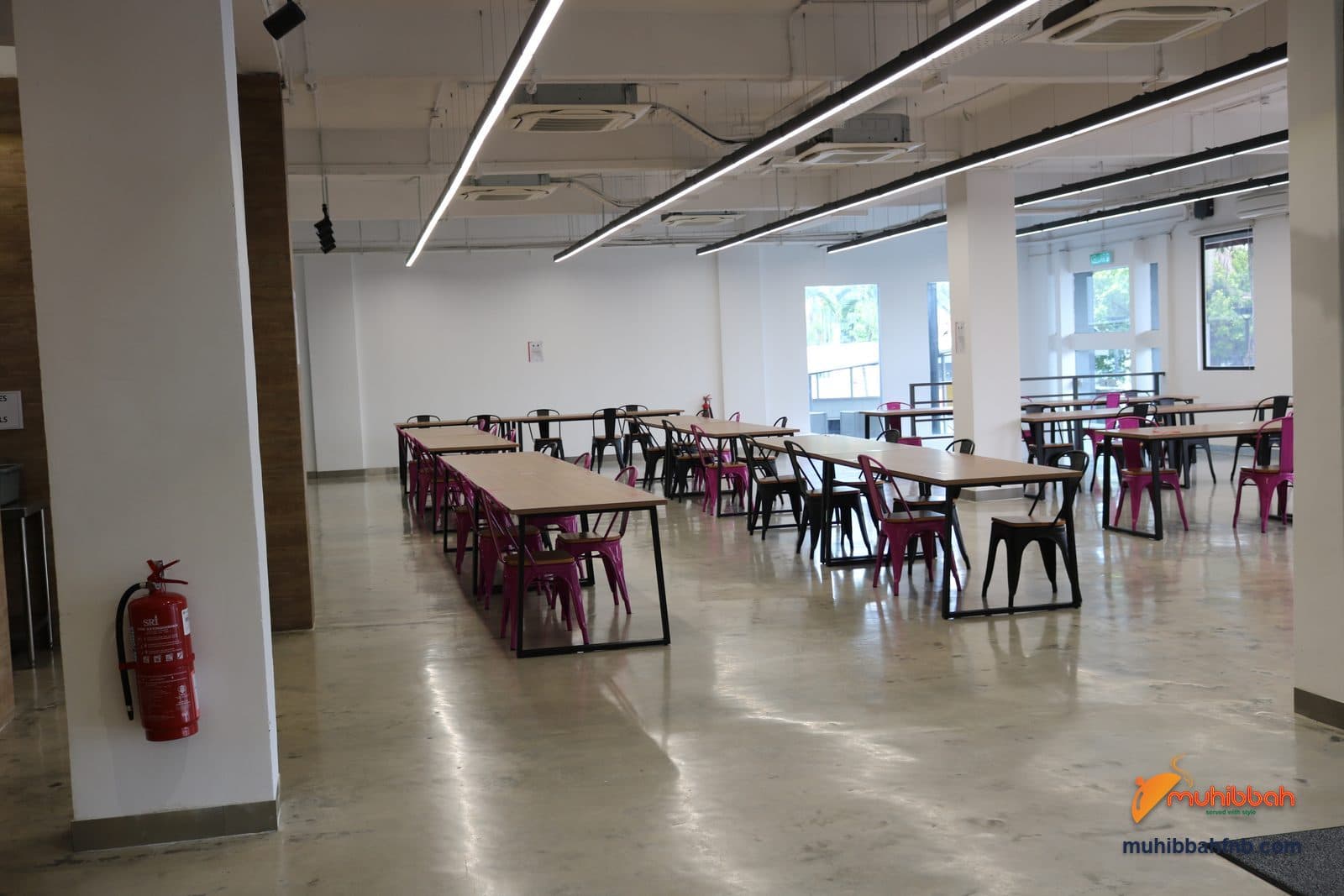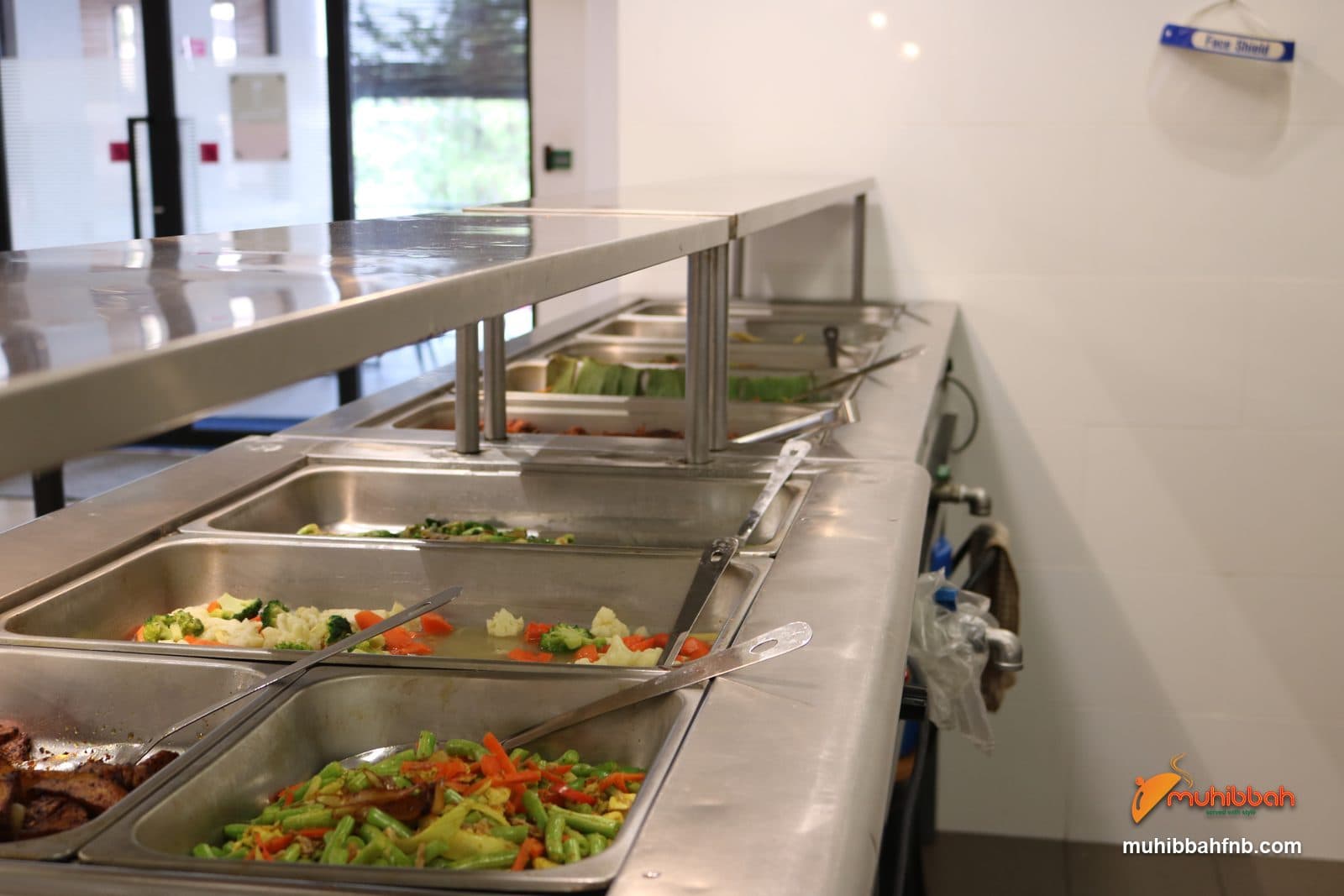
Semiconductor manufacturing operations in Malaysia are among the most demanding environments a food service operator can serve. Malaysia hosts many of the world's largest chip and electronics plants, which feed thousands of staff across rotating shifts while maintaining audit compliance with international frameworks like RBA (Responsible Business Alliance) and CSER.
This guide walks plant managers and HR directors through what specifically matters in semiconductor factory canteen operations, the compliance frameworks involved, common operational pitfalls, and how to evaluate whether your current food service operator is audit-ready.
Why Semiconductor Operations Are Different
Semiconductor plants have operational characteristics that most food service providers are not equipped for:
Multi-shift, multi-thousand workforces. A single fab can employ 1,500 to 5,000 staff across 2-shift or 3-shift rotating patterns. Meals must be served at breakfast, lunch, dinner and supper windows aligned to shift transitions.
24-hour operational discipline. Plants do not stop. Canteen operations must run continuously, including overnight supper service for night-shift workers.
Audit-heavy compliance environment. Beyond standard Malaysian requirements (JAKIM halal, KKM food handlers, HACCP), semiconductor plants face regular RBA and CSER audits that include food service within audit scope.
Global supply chain sensitivity. Any compliance failure (food safety, halal, labour practices) can escalate to global customer attention, because semiconductor buyers audit their suppliers' subcontractors.
Workforce diversity. Malaysian fabs employ Malaysian Muslims, Chinese, Indians, and foreign workers (Bangladeshi, Nepali, Indonesian). Menu design must accommodate all these demographics halal-compliantly while managing budget.
The RBA Framework
The Responsible Business Alliance (RBA) Code of Conduct applies to the electronics manufacturing supply chain globally. Plants producing for major electronics brands are audited against this code. Food service operations fall within the scope of several RBA provisions:
Labour and Human Rights:
- Kitchen staff working hours must comply with local labour law
- No forced or involuntary labour
- Freely chosen employment with no recruitment fees
- Wages meet legal minimums
- Anti-discrimination practices
Health and Safety:
- Safe food handling procedures
- Kitchen safety (burn prevention, slip prevention, equipment handling)
- Food safety documented compliance
- Emergency preparedness
Environment:
- Waste management (food waste, cooking oil, packaging)
- Water and energy consumption
- Emissions management
Ethics:
- No business corruption
- Disclosure of information
- Intellectual property respect
- Protection of identity for whistleblowers
Management Systems:
- Documented policies
- Risk assessment and management
- Training programs
- Audit and corrective action processes
A food service operator working in a semiconductor environment must be able to demonstrate compliance with each of these areas through documented evidence, not just verbal assurance.
CSER: Corporate Social and Environmental Responsibility
Some semiconductor brands (notably Dyson and others) use their own CSER framework that overlaps with but is more prescriptive than RBA. Food service operators must:
- Maintain employment records
- Demonstrate wage compliance
- Show training records for all kitchen staff
- Document hazard identification
- Maintain food safety logs
- Provide evidence of supplier due diligence
CSER audits can be announced or unannounced. An operator who cannot produce documented evidence at short notice fails the audit.
Practical Operational Requirements
Beyond the compliance frameworks, semiconductor canteens have specific operational requirements:
1. Multi-Shift Feeding Capability
A typical 2-shift fab requires:
- Breakfast (5:30-7:30 AM) for morning shift start
- Lunch (11:30 AM-1:30 PM) for overlap window
- Dinner (5:30-7:30 PM) for shift changeover
- Supper (11:00 PM-1:00 AM) for night shift meal
A 3-shift fab adds a fourth meal service. Operations must run 20+ hours per day.
2. High-Volume Serving Infrastructure
Serving 1,500-5,000 staff across limited meal windows requires:
- Multiple serving lines to handle peak throughput (600+ staff in 30 minutes)
- Buffet + ala-carte + specialty counters for choice and flow
- Efficient queue design
- Digital ordering or cashless payment to accelerate transactions
3. Menu Design for Diverse Workforces
Malaysian fab workforces typically include:
- 50-70% Malaysian Muslim (halal-essential)
- 15-25% Chinese (dim sum, noodles, Chinese cuisine preferences)
- 10-15% Indian (briyani, curry, vegetarian options)
- 10-20% foreign workers (home-cuisine familiarity)
Menu rotation must include all these cuisines halal-compliantly, with vegetarian options clearly identified for religious and dietary needs.
4. Traceability and Supply Chain Documentation
RBA and customer audits require traceability:
- Supplier halal certificates on file
- Supplier HACCP or equivalent food safety documentation
- Lot-level traceability for perishables
- Temperature logs during transport and storage
- Expiry date management
5. Kitchen Workflow for Safety and Compliance
Semiconductor clean-room discipline extends culturally into the canteen:
- Hand-washing protocols
- PPE for kitchen staff (hair nets, gloves, masks)
- Segregated prep areas (raw vs cooked, halal vs non-halal where applicable)
- Temperature-controlled storage
- Documented cleaning schedules
- Pest control with traceable reports
6. Training and Certification
All kitchen staff require:
- KKM food handler certification
- Valid typhoid screening
- Valid Hepatitis B screening
- Halal handling training (for halal-certified operations)
- HACCP principles training
- RBA orientation (worker rights, ethics, whistleblowing mechanisms)
7. Emergency and Business Continuity
Plants cannot afford unplanned canteen service interruptions. Operators must have:
- Backup suppliers for all critical ingredients
- Equipment redundancy (secondary cold storage, backup cooking stations)
- Standby staff for emergency coverage
- Documented emergency response procedures
- Insurance coverage (typically RM 1 million+ public liability)
Common Operational Failures
In our experience serving semiconductor clients, the most common food service operational failures include:
Failure 1: Inadequate audit documentation. The operator has halal and HACCP but cannot produce documentation for recent months during an audit. Result: non-conformance findings that must be closed out with corrective action.
Failure 2: Kitchen staff labour rights gaps. Employment records incomplete, working hours not documented, wage records not maintained. Result: RBA non-conformance, potential customer escalation.
Failure 3: Menu monotony. Operator lacks menu design discipline. Staff complaints escalate to management. Result: declining cafeteria utilisation, morale issues, eventual operator change.
Failure 4: Supplier halal certificate gaps. Some suppliers' halal certificates have expired without renewal. Result: halal compliance risk during audit.
Failure 5: Multi-shift service breakdowns. Night shift supper service quality consistently below day shift quality. Result: night shift worker complaints, equity concerns.
Failure 6: Untraceable food safety incidents. A food complaint cannot be traced back to a specific supplier, batch or preparation step. Result: inability to address root cause, repeated incidents.
Failure 7: Inadequate capacity for workforce growth. Operator cannot scale with plant growth. Result: service degradation during ramp-up.
Evaluating Your Current Operator
If you operate a semiconductor plant in Malaysia and want to assess whether your food service operator meets the operational and compliance bar, ask for:
- Current JAKIM halal certificate (with verifiable expiry date)
- Sample supplier halal certificates (at least 10 critical suppliers)
- Current HACCP training records for kitchen staff
- Most recent 12 months of pest control reports
- Kitchen staff employment records (anonymised but complete)
- Working hours log for kitchen staff (last 3 months)
- Incident log (any food complaints, injuries, supply chain issues, last 12 months)
- Most recent internal audit or assessment (if operator conducts these)
- Public liability insurance certificate (current, minimum RM 1 million coverage)
- RBA training records for the operator's management team
An operator prepared for semiconductor work produces these immediately. An operator not prepared will delay, offer partial records, or promise to "get back to you."
What Specialist Operators Provide
Specialist food service operators serving semiconductor clients in Malaysia typically deliver:
Operational infrastructure:
- Multi-shift kitchen teams (typically 20-50 staff per site)
- Multi-station serving model (buffet + ala-carte + specialty counters)
- Central kitchen supply backup for bulk production resilience
- Equipment investment (serving lines, warmers, cold storage)
Compliance management:
- Continuous halal certification with monthly supplier verification
- HACCP protocols embedded in daily SOPs
- Food handler certification tracking
- Pest control on documented monthly schedule
- Audit-ready document repository
Menu programming:
- 30-day non-repeating rotation covering all cuisine preferences
- Vegetarian and healthy options always available
- Festive menu programming (Hari Raya, CNY, Deepavali, Christmas)
- Live stations at lunch for variety
Reporting and accountability:
- Monthly operational reports (meals served, compliance status, staff satisfaction)
- Quarterly management review with client
- Annual contract review
- Single point of contact for escalations
Financial structure:
- Fixed monthly fee aligned with workforce headcount
- Transparent scope of service
- Headcount adjustment mechanisms
- No hidden add-ons
Conclusion
Semiconductor factory canteens are not generalist food service work; they need a dedicated industrial canteen operator. The combination of multi-shift operations, multi-thousand workforces, RBA and CSER compliance, and audit-heavy customer oversight imposes operational demands that general caterers struggle to meet.
Plant managers evaluating food service operators should look specifically for:
- Documented RBA-readiness (not just verbal claims)
- Multi-shift operational track record
- Full compliance documentation available on demand
- Permanent on-site teams (not rotating event-style staff)
- Fixed-cost commercial structure with scale mechanics
Muhibbah F&B operates canteens for semiconductor and electronics manufacturing clients across Klang Valley, Johor, Negeri Sembilan and Perak, and mobilises on request into Penang, Melaka and Pahang. If you are evaluating food service operators for your plant, request a proposal or contact us to discuss your specific operational requirements.